THE QUIET YEARS
Entrepreneurs don’t fear failure. They fear the unknown: hidden risks in loans, platforms, and institutions that can take everything even when they perform. The Quiet Years turns a $3M SBA 504 case into six practical frameworks to spot those risks and choose safer systems, including Web3 tools.

Rebuilding Trust in Yourself
A Bridge Between Collapse and Sovereignty (2013-today)
Why This Exists
The Quiet Years documents the missing part of the entrepreneurial canon: the years between institutional collapse and structural rebuilding, where you learn to read architecture instead of just executing inside it.
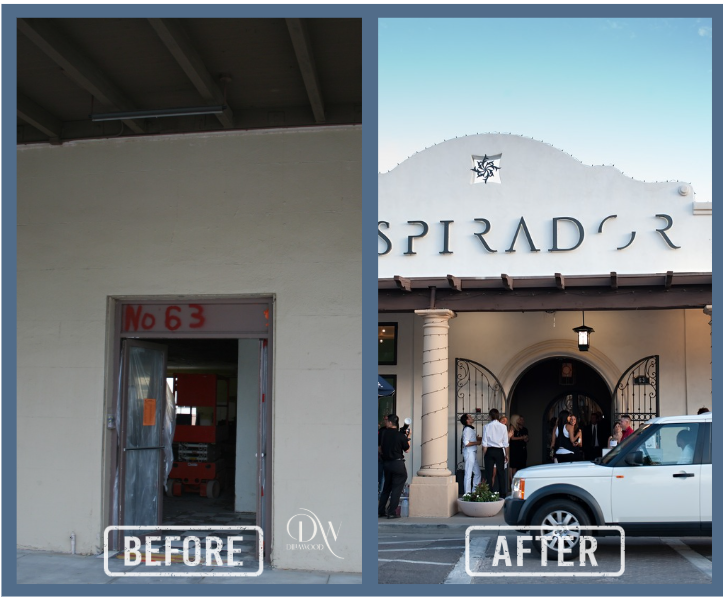
Reverse-engineered from the adaptive reuse redevelopment of 63 East Boston Street in Chandler, Arizona—where I developed the Inspirador Operating System™ as founder and CEO from 2006 to 2013—this work reveals how performing builders get extracted by institutional systems and how to recognize those patterns before they cost you everything.
What This Is
Six frameworks of structural literacy drawn from the Inspirador SBA 504 collapse—a diagnostic toolkit for reading the architecture beneath institutional systems that extract value from high-performing builders.
For readers who need to know:
- How "neutral" rules become extraction weapons when pressure hits
- Where interpretation authority concentrates and who benefits
- How to spot "two sets of books" before your performance gets rewritten
- Which infrastructure protects builders vs. exposes them
Read the Prologue: The Corner →
The Six Frameworks
1. Pressure Testing
How systems reveal their true design under stress
- When SBA loans turn "performing" into "adverse change"
- The hallway principle: same action, different outcomes
- Learn to see structure the moment pressure is applied
Chapter 1 →
2. Documentation as Infrastructure
Turning lived experience into evidentiary protection
- Marie McDonnell's fraud declaration vs. sealed court records
- Screenshots that outlast institutional memory
- Narrative becomes your permanent record
3. Information Asymmetry Audit
Mapping who sees what vs. who controls the official record
- SBA vs. bank letters: same date, opposite claims
- Platform seller/buyer dashboards that never align
- Spot partitioned truth before it partitions your reality
4. Interpretation Authority Mapping
Tracking discretion as the real decision mechanism
- "Adverse change" killswitch language in performing loans
- Who holds veto power when evidence conflicts with narrative
- Find the interpreter before they reinterpret you
5. Timing as Architecture
How sequences and deadlines serve extraction
- Loan file aging that destroys public accountability
- Campaign-timed evidence sealing
- Decode when "time is of the essence" means extraction is
6. Verification-First Design
Building where proof outranks permission
- From "two sets of books" to immutable ledgers
- Choosing infrastructure that can't be gamed
- Move from trust-dependent to math-enforced systems
Who This Serves
Small Business Loan Borrowers – Spot extraction mechanisms in loan docs before signing
Founders – Audit every platform, financing, and dependency for structural risk
Journalists – Named patterns + evidentiary examples for institutional investigation
Web3 Builders – Explain verification to traditional stakeholders through lived extraction proof
Educators – Field-tested frameworks for entrepreneurship, systems thinking, ethics courses.
What Entrepreneurs Actually Fear
Entrepreneurs don't fear failure—it has a playbook.
They fear the unknown: hidden structural vulnerabilities inside financing, platforms, and institutional processes that no one explains, yet can extract everything you've built.
The Quiet Years takes you into those dark corners of the forest—SBA 504 extraction mechanisms, partitioned truths, interpretation killswitches—and shines a light on the architecture so you can navigate past.
Applied in Executive Teaching
These frameworks emerged from Executive-in-Residence teaching at California State University San Marcos and instruction at Girls With Impact, where students consistently confront the same unanswerable question: "What if the system I build inside extracts my value?"
This work answers that question with six diagnostic frameworks that reveal structural vulnerabilities before they become personal.
For Educators & Organizations
Teaching materials address the structural blind spots entrepreneurship curricula miss.
Students ask:
"Where does the real risk live beyond just execution?"
"What if I do everything right and still lose everything?"
"How do I know which systems are safe to build inside?"
These frameworks provide diagnostic tools + discussion guides for entrepreneurship, systems thinking, and business ethics courses. Course integration →
Read Now:
Where collapse became architecture
The 63 East Boston Street Legacy